
July 22, 2026 · By Mike Flores, Owner
If you have shopped for any attic upgrade in Houston, someone has pitched you a radiant barrier — usually with promises that sound too good to be true. Here is the honest version: in a cooling-dominated climate like ours, radiant barriers are one of the few attic products that genuinely earn their keep, but only in the right house, installed the right way, and with realistic expectations. This guide covers how they work, the three ways to install one, and the limits the sales pitches leave out.
What Is a Radiant Barrier and How Does It Work?
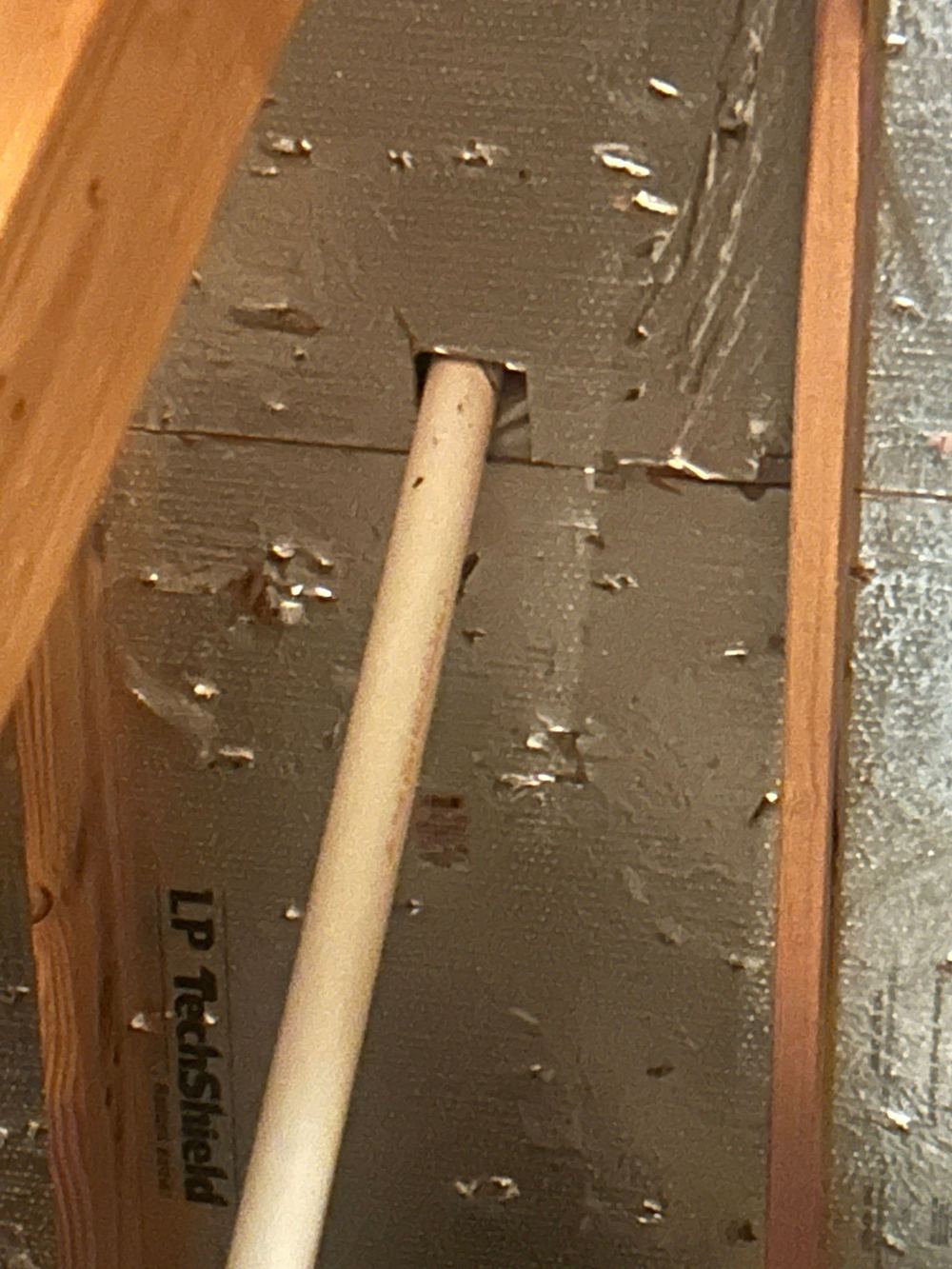
A radiant barrier is a thin sheet of highly reflective aluminum foil, installed facing an air space in the attic, that blocks radiant heat from traveling from the hot roof down toward your insulation and living space. Heat moves three ways — conduction, convection, and radiation — and each attic product targets one of them. Insulation slows conduction. Ventilation manages convection, carrying hot air out. The radiant barrier handles the third path: the invisible infrared energy your sun-baked roof deck radiates downward all afternoon.
Two physical details matter. First, the foil must face an open air gap — foil sandwiched tightly between materials just conducts heat through and does almost nothing. Second, the barrier works by reflecting radiant energy and by refusing to re-radiate what it absorbs (low emissivity), which is why a shiny surface that gathers years of dust loses part of its benefit. Both details drive which installation methods work best, which we cover below.
How Much Does a Radiant Barrier Help a Houston Home?
In summer, a properly installed radiant barrier makes an attic noticeably cooler — often by a meaningful double-digit number of degrees on the hottest afternoons — and that translates into modest but real cooling savings. Houston is close to the ideal use case: long cooling seasons, intense sun, and — the biggest factor — air conditioning equipment and ductwork living in the attic. When your ducts run through a cooler attic, the air inside them stays colder and your system runs less.
The benefit is largest when the attic is the weak point: ducts and AC units in unconditioned attic space, modest existing insulation, or rooms under the roof that never quite cool down. If your home already has deep insulation and no ductwork in the attic, the barrier still cools the attic but the savings on your bill shrink — there is simply less heat reaching the living space to begin with. Be skeptical of anyone quoting dramatic guaranteed percentage savings; honest installers talk in ranges and ask about your ductwork first.
Your roof covering sets the starting line, too. Dark shingles absorb more solar energy and hand the attic a bigger radiant load; lighter colors and reflective "cool roof" shingle granules reduce what ever reaches the deck. A radiant barrier deals with whatever gets through, which is why the two strategies pair naturally at reroof time — choose a cooler surface above, add foil-faced decking below, and the attic fights the Houston sun on two fronts at once.
What Are the Ways to Install a Radiant Barrier?
There are three main methods: foil-faced roof decking installed at reroof time, foil sheets stapled under the rafters in an existing attic, and spray-applied low-emissivity coatings. Each has a distinct best use:
| Install Method | How It's Done | Best Time | Notes |
|---|---|---|---|
| Radiant-barrier decking | OSB sheathing with foil laminated to the underside replaces old decking | During roof replacement | Cleanest install and small upcharge when decking is being replaced anyway; foil faces down so dust never settles on it |
| Stapled foil sheets | Perforated foil rolls stapled to the underside of rafters | Any time, existing attics | Retrofit standard; perforated product lets moisture pass; hanging vertically resists dust buildup |
| Spray-on low-e coating | Reflective paint-like coating sprayed on the deck underside | Any time, tight attics | Easier in cramped spaces, but lower performance than true foil — verify tested emissivity claims |
| Foil laid over insulation | Sheets draped across the attic floor | Not recommended | Collects dust rapidly and can trap moisture in Houston humidity; avoid |
The standout opportunity is the first row: if you are already planning a roof replacement, radiant-barrier decking adds a small increment to the material cost for a permanent, dust-proof installation. It is one of the cheapest moments you will ever have to buy attic performance.
Wondering whether your attic is a good candidate? Call (713) 527-2719 — we will look at your decking, ducts, insulation, and ventilation in one free visit and tell you plainly what is worth doing and what is not.
Can You Install a Radiant Barrier Yourself?
The stapled-foil method is within reach of a capable DIYer — but a Houston attic in summer is genuinely hazardous, and the details decide whether the foil performs or just decorates the rafters. If you take it on:
- Work in the early morning, in cooler months if possible — attic temperatures on a July afternoon are dangerous, not just uncomfortable
- Move only on joists or walk boards; the drywall between them will not hold you
- Use perforated foil, staple to the rafter faces with the air gap preserved, and let seams overlap rather than sealing them airtight
- Never cover soffit vents, ridge pathways, junction boxes, or non-rated recessed light housings
A professional crew finishes a typical attic in a day, and if your decking is due for replacement anyway, the foil-faced decking route makes the whole DIY question moot. There is no shame in pricing both before deciding — the labor is the cheap part of this product.
When Does a Radiant Barrier Make the Most Sense?
The strongest cases share a few traits:
- AC equipment or ductwork in the attic — the single biggest multiplier on the benefit
- A roof replacement already scheduled — foil-faced decking at its cheapest install point
- Dark shingles on a hot slope — more absorbed heat means more radiant load for the foil to block
- Upstairs rooms that will not cool down — a classic radiant-load symptom in two-story Houston homes
Think of the attic as a system with three legs: ventilation to move hot, humid air out (upgrades typically run $500-$2,000, covered in our attic ventilation guide), insulation to slow conduction into the house, and a radiant barrier to cut the radiant load. The barrier complements the other two — it never replaces them, and it performs best when the other legs are sound. Sequence matters if budget is tight: fix blocked ventilation first, bring thin insulation up to Gulf Coast norms second, and add the radiant barrier third — or fold all three into a reroof, where the marginal cost of each is lowest and one crew can handle the whole system in a single project.
What Are the Honest Limits of Radiant Barriers?
A radiant barrier will not fix an under-insulated attic, rescue bad ventilation, or pay for itself overnight — and any pitch claiming otherwise deserves skepticism. The full list of caveats:
- Winter benefit is minimal — the physics works both ways in theory, but in a mild-winter city the heating-season effect is small
- Dust degrades horizontal foil — any surface where dust can settle loses reflectivity over the years, which is why deck-mounted and rafter-hung installs beat attic-floor foil
- It is not insulation — a radiant barrier has essentially no R-value; if your insulation is thin, fix that first or at the same time
- Savings claims get inflated — some door-to-door outfits sell radiant barriers with promises no product can keep; get any projected savings in writing and compare more than one bid
- Moisture matters in Houston — use perforated products in retrofits so the barrier never traps humid air against wood
Used for what it actually is — one leg of a three-part attic strategy in a hot climate — a radiant barrier is a solid, unglamorous performer. Our residential roofing team quotes radiant-barrier decking on request with any replacement estimate, and every free inspection includes a look at how your attic's heat and moisture systems are working together.
Related Reading
- Why Your Houston Roof Needs Proper Ventilation — the convection leg of the attic heat strategy
- Asphalt vs Metal vs Tile: Best Roof Material for Houston — how material and color choices affect attic heat from above
- What to Expect During a Houston Roof Replacement — the ideal moment to add radiant-barrier decking